

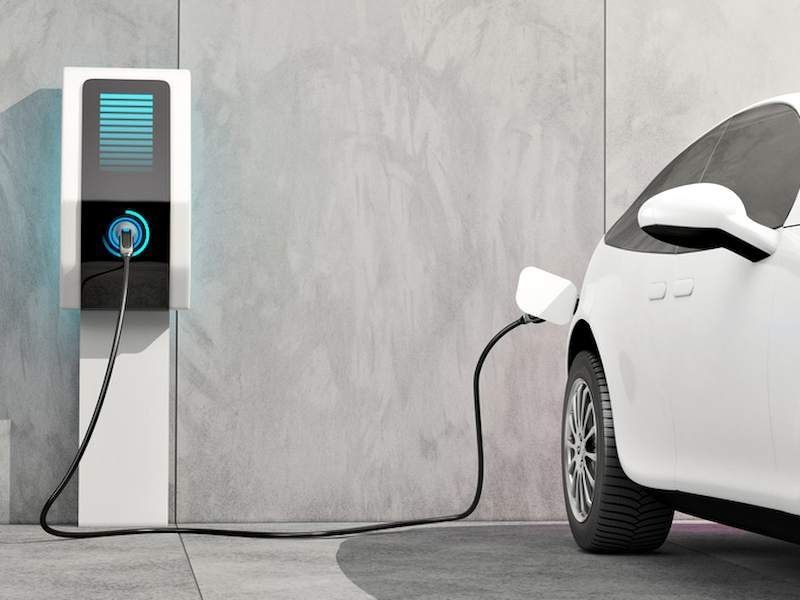
As electric vehicles become more common, businesses are feeling the pressure to provide charging options. Installing electric chargers is no longer a luxury—it’s a necessity for attracting customers and supporting employees. Proper planning ensures the process is smooth, cost-effective, and safe. Understanding the essential aspects of electric charger installation can save both time and money while boosting your business’s reputation as forward-thinking and environmentally conscious.
Assessing Power Requirements for Electric Charger Installation
Before any installation begins, it’s important to evaluate your current electrical system. Electric charger installation requires a stable and sufficient power supply. Consider the number of chargers you want to install and the potential demand from vehicles simultaneously charging. Upgrading your electrical panel may be necessary. This step ensures that the installation is efficient and avoids future disruptions. Planning ahead helps prevent costly retrofits later, making the investment in electric charger installation more sustainable.
Choosing the Right Location for Chargers
Selecting a convenient and accessible location is key to successful electric charger installation. Businesses must balance visibility for customers with practical considerations such as traffic flow and safety. The charging spots should be easy to access without interfering with daily operations. Lighting and signage also play a role, helping drivers find chargers quickly. Thoughtful placement enhances user experience and encourages repeated visits, making the installation a valuable business asset.
Understanding Installation Costs and Incentives
Electric charger installation can vary widely in cost depending on the type of chargers, number of units, and complexity of electrical upgrades. Many regions offer incentives, rebates, or tax credits to offset the expense. Researching these options can significantly reduce upfront costs. Businesses should also consider long-term savings from attracting EV-driving customers and supporting employee sustainability goals. Awareness of these factors makes planning an electric charger installation more financially strategic.
Compliance and Safety Standards in Charger Installation
Safety is a critical factor in any electric charger installation. Installers must comply with local regulations, electrical codes, and manufacturer specifications. Proper grounding, cable management, and signage reduce risks of accidents or damage. Regular inspections and maintenance ensure chargers remain reliable over time. Adhering to these standards protects both your business and the users of your electric chargers while demonstrating a commitment to responsible installation practices.
Integration With Business Operations
Electric charger installation should complement your existing operations rather than disrupt them. Consider how charging stations fit into parking layouts, employee schedules, and customer flow. Some businesses integrate payment systems or reservation apps to optimize usage. Smart chargers can provide real-time monitoring and energy management, aligning with broader sustainability initiatives. Proper integration enhances convenience and ensures that the chargers serve a functional role in day-to-day operations.
Maintenance and Future-Proofing Considerations
Ongoing maintenance is essential for the longevity of your electric chargers. Regular checks, software updates, and timely repairs prevent downtime and keep users satisfied. Future-proofing is equally important. Choosing scalable solutions allows your business to expand charging capacity as electric vehicle adoption grows. Planning for growth during the initial electric charger installation ensures your investment remains relevant for years to come.
Conclusion
Electric charger installation is a strategic step for businesses looking to stay ahead in a rapidly evolving market. By assessing power needs, choosing optimal locations, understanding costs, ensuring compliance, integrating with operations, and planning for maintenance, businesses can maximize the benefits of their investment. Thoughtful installation not only supports sustainability goals but also attracts and retains customers and employees who value eco-friendly practices. Investing in electric chargers today positions your business for a greener, more competitive future.